

After an extended rest from my blog I feel a kind of restlessness once expressed by the Irish poet Seamus Heaney: “What is not pronounced tends toward non-existence.” I return with some passion to “pronounce” some things stimulated by this new global time of crisis and opportunity.
But I asked myself, “Should I still call this blog Reconcilers?”
“Reconciliation” has come under intense and understandable criticism from some quarters, protesting what often becomes a de facto reality of reconciliation without – without lament, without confronting what is wrong, without repentance, without mutuality.
Those versions of dressing wounds lightly, of crying “peace, peace where there is no peace” (Jeremiah 6:14), bother me deeply. But I am holding onto my blog title Reconcilers for three simple reasons: a witness from the margins, the witness of Scripture, and the witness of a song.
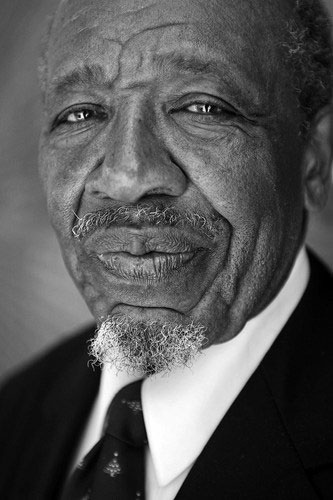
A Witness from the Margins: I didn’t first receive “reconciliation” from an ivory tower or a place of power, but from black people at the margins of Mississippi. When I was a 20-something student at Middlebury College in Vermont, John Perkins came to speak on our lilly-white campus. A Mississippi pastor-activist nearly killed in a jail cell in 1970 by white state police? Talking about laying our lives down for a new future between black and white and rich and poor in America? A couple years later I was in Mississippi fancying myself as “the solution” to racism. Then came the “reconciliation meetings” that almost tore our interracial church apart as black members faced white members with the truth of our privilege and a racial fault line that ran right through our Christian community. It was a showdown with my own racism, and I almost left. But there was amazing grace too. That confrontation took me deeper with God. The white people and black people in our little Mississippi church and ministry– each one of us and all of us together had to sacrifice and be changed for a new reality to come. We emerged with a deep common vision to work together for justice for the poor. For me, “reconciliation” is never detached from that story.
 The Witness of Scripture: What inspired us to sacrifice together in Mississippi was a vision of beyond, a deep conviction about what God is doing in the world:
“For God was pleased to have all his fullness dwell in [Christ], and through him to reconcile to himself all things, whether things on earth or things in heaven, by making peace through his blood, shed on the cross.” Colossians 1:16-20
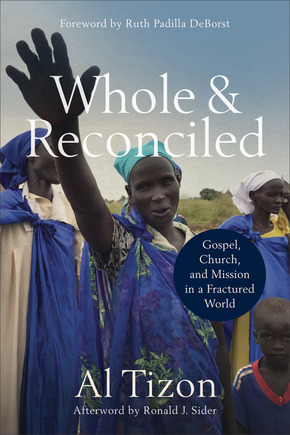
Mississippi taught me that we don’t get to decide whether reconciliation is desirable. God has already decided that. Reconciliation is received and it is comprehensive – “all things.” In his 2018 book Whole and Reconciled: Gospel, Church, and Mission in a Fractured World, North Park University professor Al Tizon makes a persuasive argument for recasting world mission today within the paradigm of reconciliation and peacemaking, holistically understood.
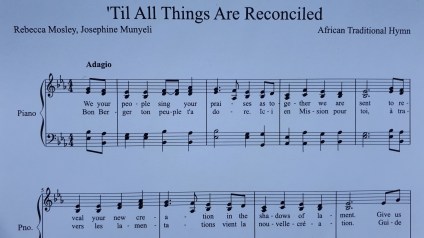 The Witness of a Song: One of the most hopeful movements I’ve had the joy to be part of is the Great Lakes Reconciliation Initiative (GLI) in East Africa. Each year since 2006, about 100 Christian leaders from seven countries have gathered there for a week, both Protestant and Catholic, in risky space across challenging and often violent divides in their context. Often leading the worship are two women who became friends through the GLI – Josephine Munyeli, a survivor of the 1994 Rwanda genocide, and Rebecca Moseley, an American serving with Mennonite Central Committee in Burundi. Out of their journey together Josephine and Rebecca composed “Til All Things Are Reconciled” which became the GLI theme song:
We your people sing your praises as together we are sent
To reveal your new creation in the shadows of lament.
Give us courage for the journey, Shepherd Jesus be our guide;
Let us lead with hope and passion, ‘til all things are reconciled.
Every year that song is sung by Africans working amidst some of the most difficult conflicts in the world. They claim the identity of being cruciformed reconcilers working in the shadows of lament. This is not a false reconciliation without, but reconciliation where “truth and mercy embrace, and justice and peace kiss” (Psalm 85). When it comes to reconciliation, everything matters in asking “Whose reconciliation?” Who is saying it, standing where, out of what story, and toward what vision of the future.
 Chris Rice
Leave a comment